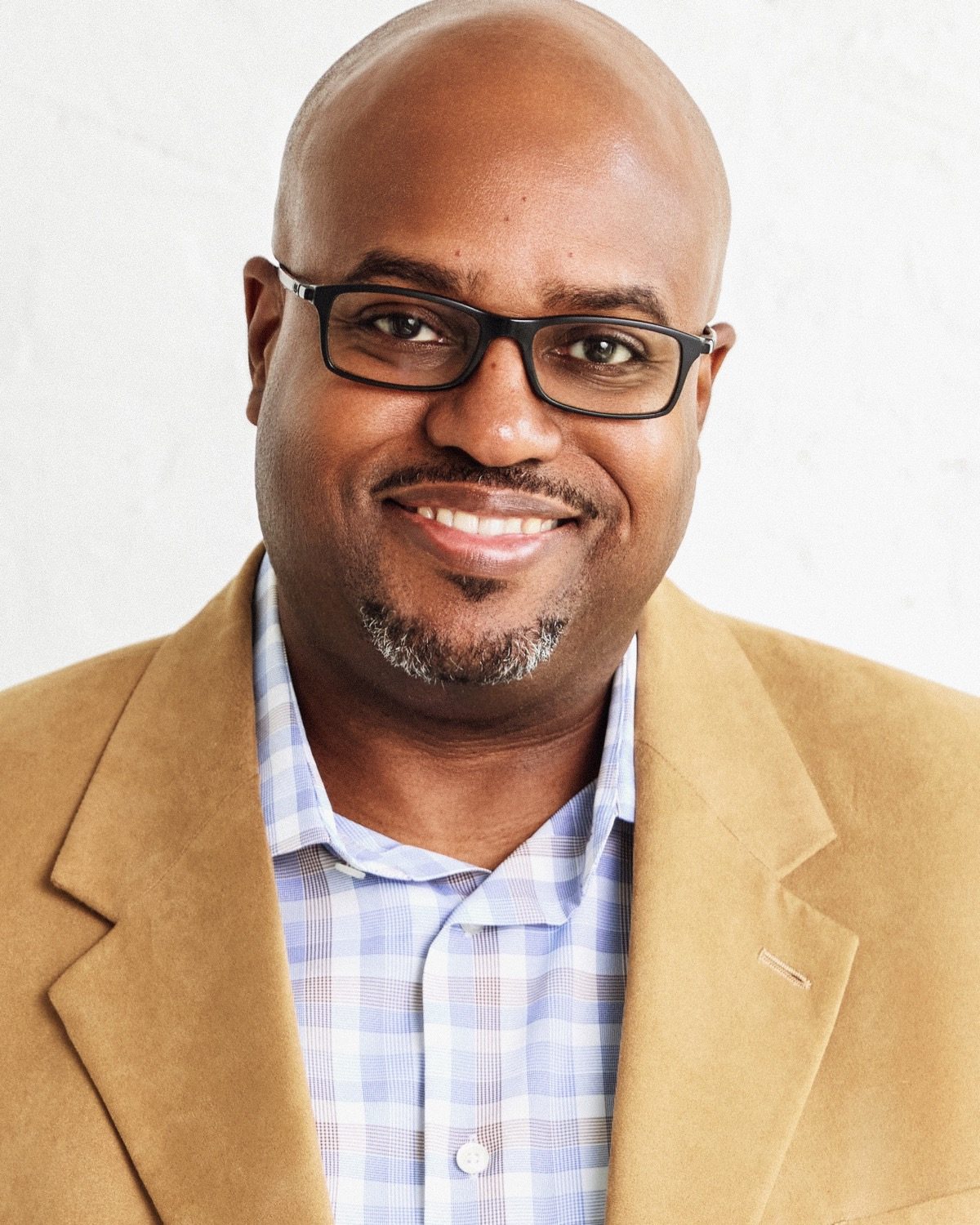
About Paul King
I've been doing the same job for 25 years. The business card just kept changing.
The recurring problem
The problem was always some version of the same thing.
Procter & Gamble. Sprint Nextel. AT&T. ATN International. Ericsson. Different companies, different industries, and in every one of them some version of:
We have the data. We just can't see what to do.
My job was to work through the noise, find the few numbers actually driving cash, margin, and performance, and make them clear enough for someone to decide.
Large companies have finance teams, analysts, and whole departments built to do that. The owner of a $4 million business is making many of the same decisions with QuickBooks, a spreadsheet, and experience.
The decisions may be smaller in dollars. They aren't smaller to the person making them.
The people who need clarity the most are always the last ones to get it.
That is why I built PK2. The size of the company changes. The questions don't.
The path
Every stop taught me to see a different part of the business.
Engineering taught me to take a problem apart. Analytics taught me to read what customers do. FP&A forced the next question. Business partnering put me next to the person making the call. The method came from all four.
25
Years in the work
-
Engineer
Procter & Gamble
Where I learned to break a complicated problem into pieces you can solve. Start with the facts, find the constraint, measure what changes.
-
Finance
Sprint Nextel
Bigger decisions, moving faster. Large investments in changing markets, where being directionally right was not enough.
-
Analytics
AT&T
Connecting what customers do to what the financials eventually show. The operating story and the financial story have to agree.
-
FP&A
ATN International
Nine years, first leading analytics and then FP&A. Analytics explains what happened. FP&A asks what we are going to do about it.
-
Finance business partner
Ericsson
Sitting with the people making the call, not beside the report. The job was to make the numbers mean something before the decision.
-
Founder
PK2 Finance & Strategy
Now the same work, for owners directly. Same questions, same discipline, without a finance department around it.
The short version
Working with owners anywhere. B.S. in Chemical Engineering from Tuskegee University. MBA from the Kelley School of Business at Indiana University.
The physics of a business don't change with the number of zeros.
Nine years at ATN taught me how often the same patterns show up in businesses that look nothing alike. SaaS and wireless telecom are a good example. Different products, different customers, and underneath, the same questions about pricing, retention, cost to serve, margin, and how quickly revenue turns into cash.
So when I look at a $4 million services company, I don't try to make it behave like a billion-dollar one. I look for the same relationships. What creates revenue. What consumes cash. Where margin disappears. What happens when you add another person or another client.
The size of the business changes. The decisions don't. What changes is how clearly you can see them.
What to expect
Four things you can count on.
Every number
Every number earns its place.
If it doesn't help you make a decision, we probably don't need it. I have killed a lot of reports that way.
Evidence
Show me.
If a client is profitable, show me. If an assumption matters to the decision, we should see where it came from.
Independence
I build things you can run without me.
If I am still explaining your own numbers to you after 90 days, I haven't finished the job.
The call
I'll tell you what I see. You make the call.
I'll show you what the numbers say and where the risk is. The decision is still yours.
Bring me the decision you can't see clearly.
One decision. 30 minutes. No deck. No data pull.